
Singapore IP Survey 2025
The Singapore IP Survey is a biennial study about enterprises’ perceptions and usage of intangible assets and intellectual property (IA/IP).
Last updated on 16 January 2026
In support of the Singapore IP Strategy (SIPS) 2030 (opens in new tab), the Singapore IP Survey is conducted every two years to better understand how enterprises use intangible assets and intellectual property (IA/IP).
The 2025 Singapore IP Survey was conducted from June to July 2025, with over 800 responses by enterprises from various sectors. Previous editions of this survey were conducted in 2021 (opens in new tab) and 2023 (opens in new tab).
Key findings
Business
1. IP is increasingly critical to business growth
a. Increasing innovation1 activities

b. Most important IP types
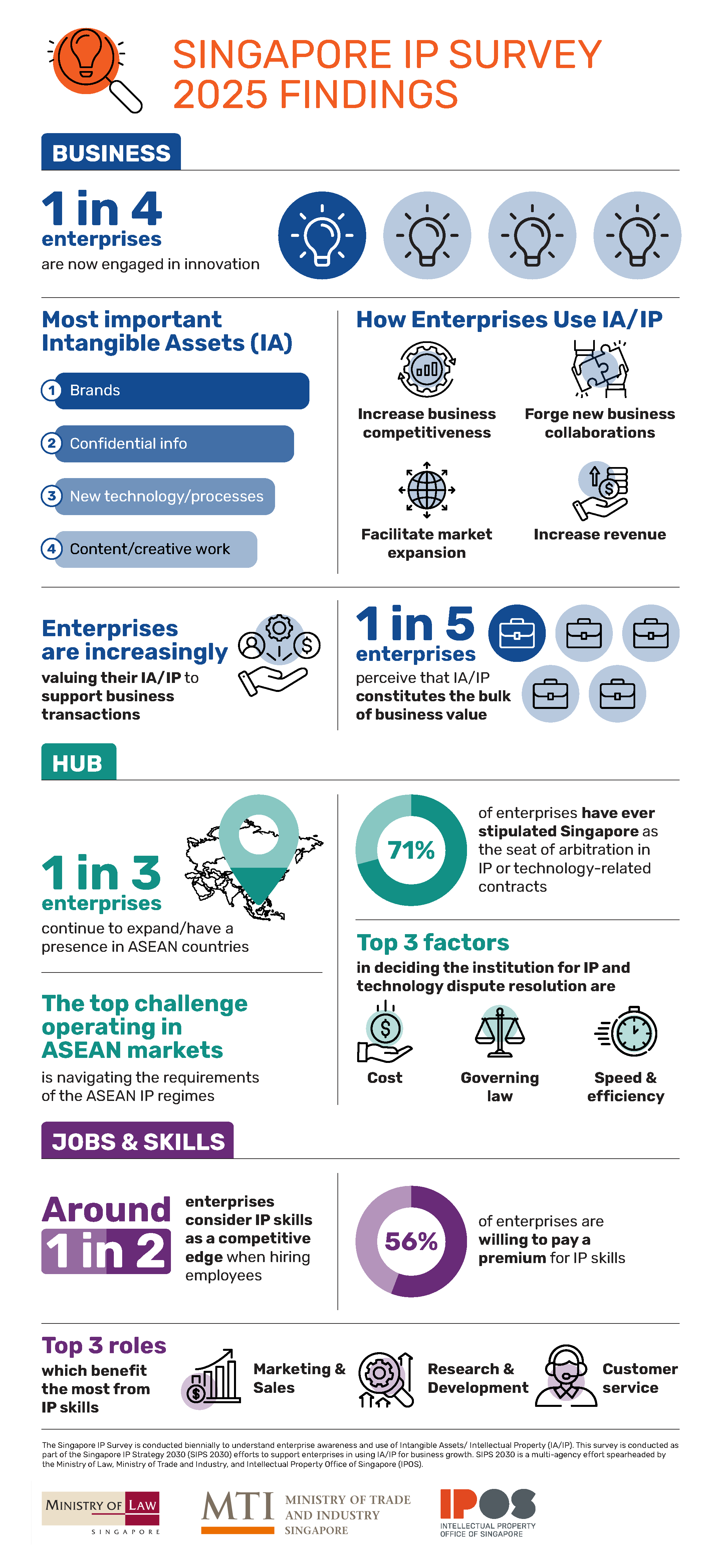
Almost half of all enterprises consider brands and/or confidential information important
Around 1 in 3 enterprises value content/creative works
Did you know
There are resources that support creators in building IP skills and protection? Find out more below:
Copyright Resources (opens in new tab). Discover comprehensive guides and information on copyright protection, infringement, and management for creators and businesses in Singapore.
WIPO Inventor Assistance Programme (IAP) (opens in new tab). Tap on pro bono advice and services for patent protection for inventors and small businesses in Singapore, and receive customised support based on your area of invention.
Enhanced Support for Creators (opens in new tab). Look out for upcoming IP awareness programmes, training on licensing and commercialisation, and resources to help extract and enhance IP value from your creative works through our partnership with the Visual, Audio, Creative Content Professionals Association (VICPA).
c. How enterprises use their IA/IP
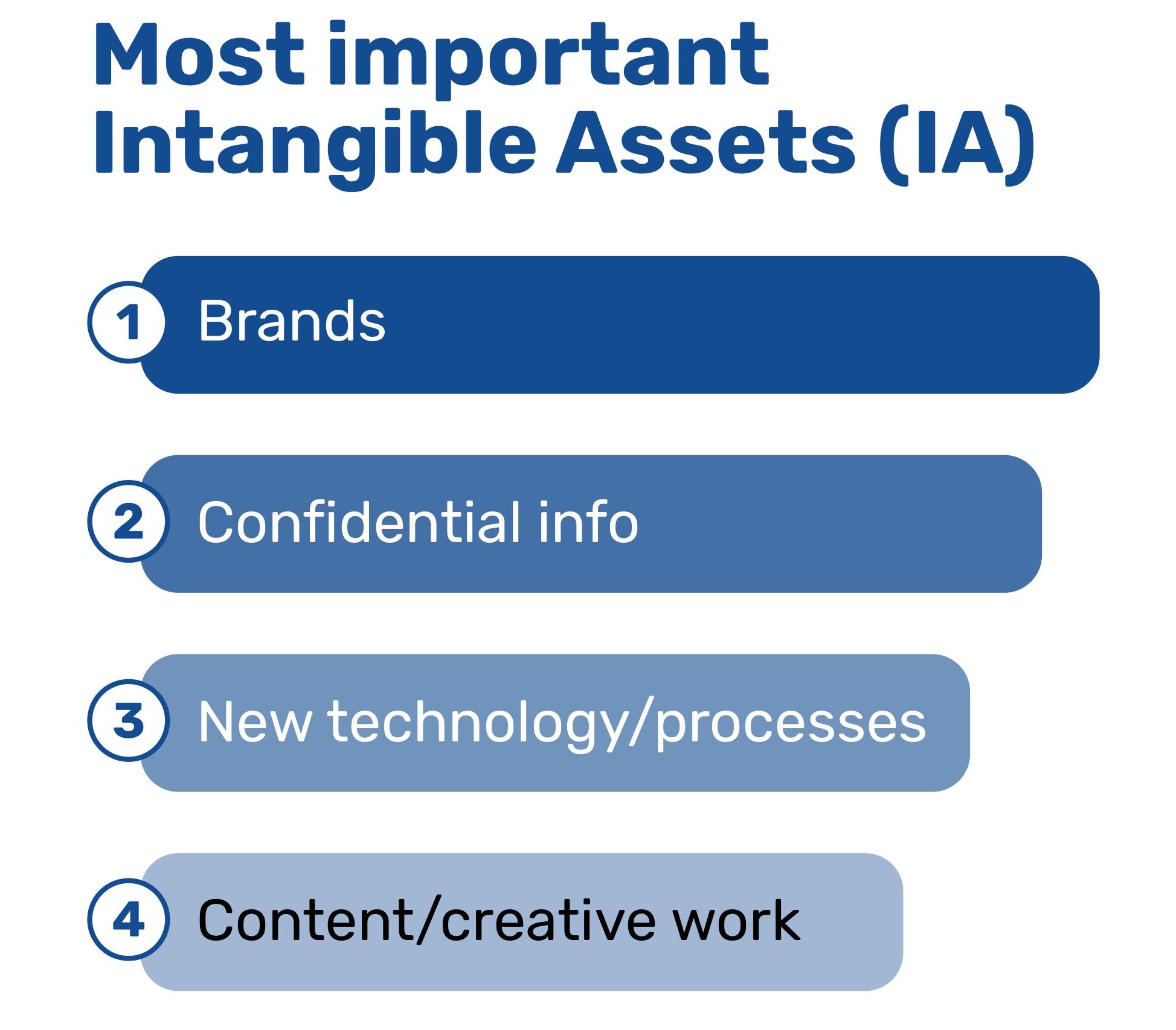
Enterprises primarily use their IA/IP to enhance business competitiveness (25%), support business and research collaborations (23%), enable market expansion (22%), and drive revenue growth (17%).
Your IA/IP could be untapped revenue streams.
Find out how IA/IP can power your business growth:
GoBusiness IP Grow (opens in new tab). Understand your IA/IP needs for your business and get tailored recommendations from IA/IP service providers.
Driving Business with IP: Sentiments from Singapore Business Leaders (opens in new tab). Gain business insights, practical advice, and real-world strategies to effectively manage and capitalise on your IA/IP in today's dynamic environment.
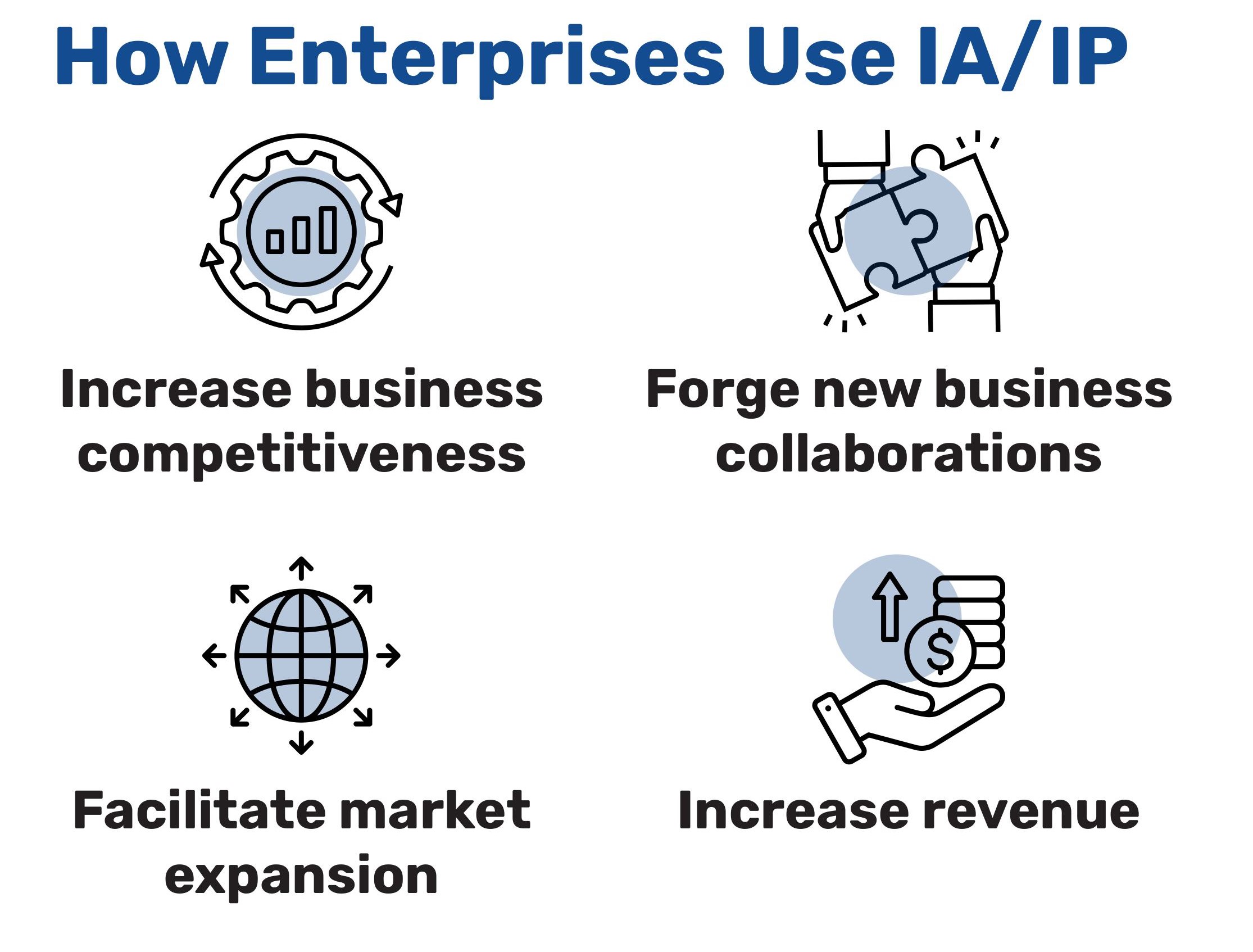
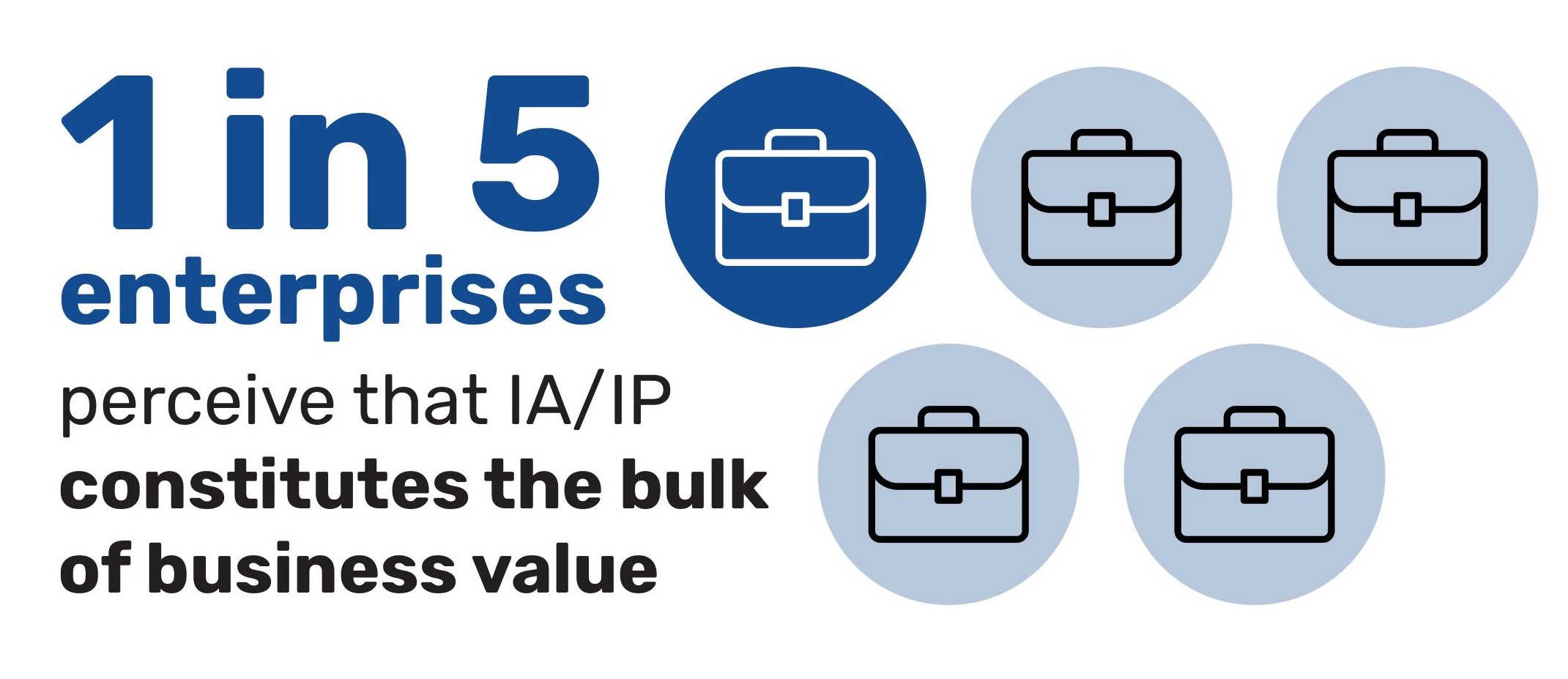
d. Business value of IP
Is your business making the most of its IA/IP?
Access key resources and tools to support your IA/IP needs and leverage your IA/IP assets:
Intangibles Disclosure Framework (opens in new tab). Use this framework to better disclose and communicate your enterprise’s IA/IP.
Grants and Schemes (opens in new tab). Access grants or schemes to support your IP registration, IP commercialisation, overseas business expansion, and IP and technology dispute resolution needs.
IP Management Clinic (opens in new tab). Apply for a complimentary four-month mentorship to build your IP strategy.
e. IA/IP Valuation practices
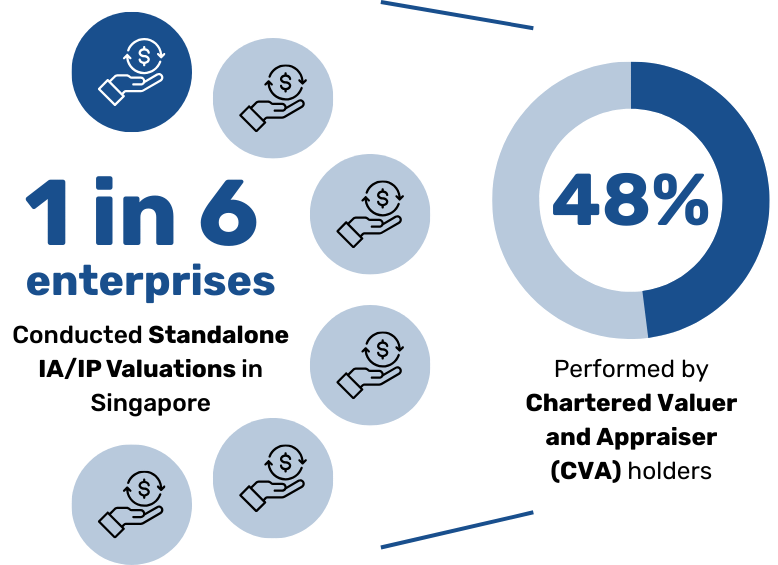
About 1 in 6 enterprises have conducted standalone IA/IP valuations in Singapore. IA/IP valuation is a process used to determine the monetary value of IP assets for various purposes such as financing, investment, licensing, and dispute resolution.
Among these valuations, nearly half were undertaken by individuals with a Chartered Valuer and Appraiser (CVA) qualification.
Learn more about the CVA programme (opens in new tab) and find certified professionals (opens in new tab) to support your valuation needs.
IP Hub
1. Global IA/IP Hub
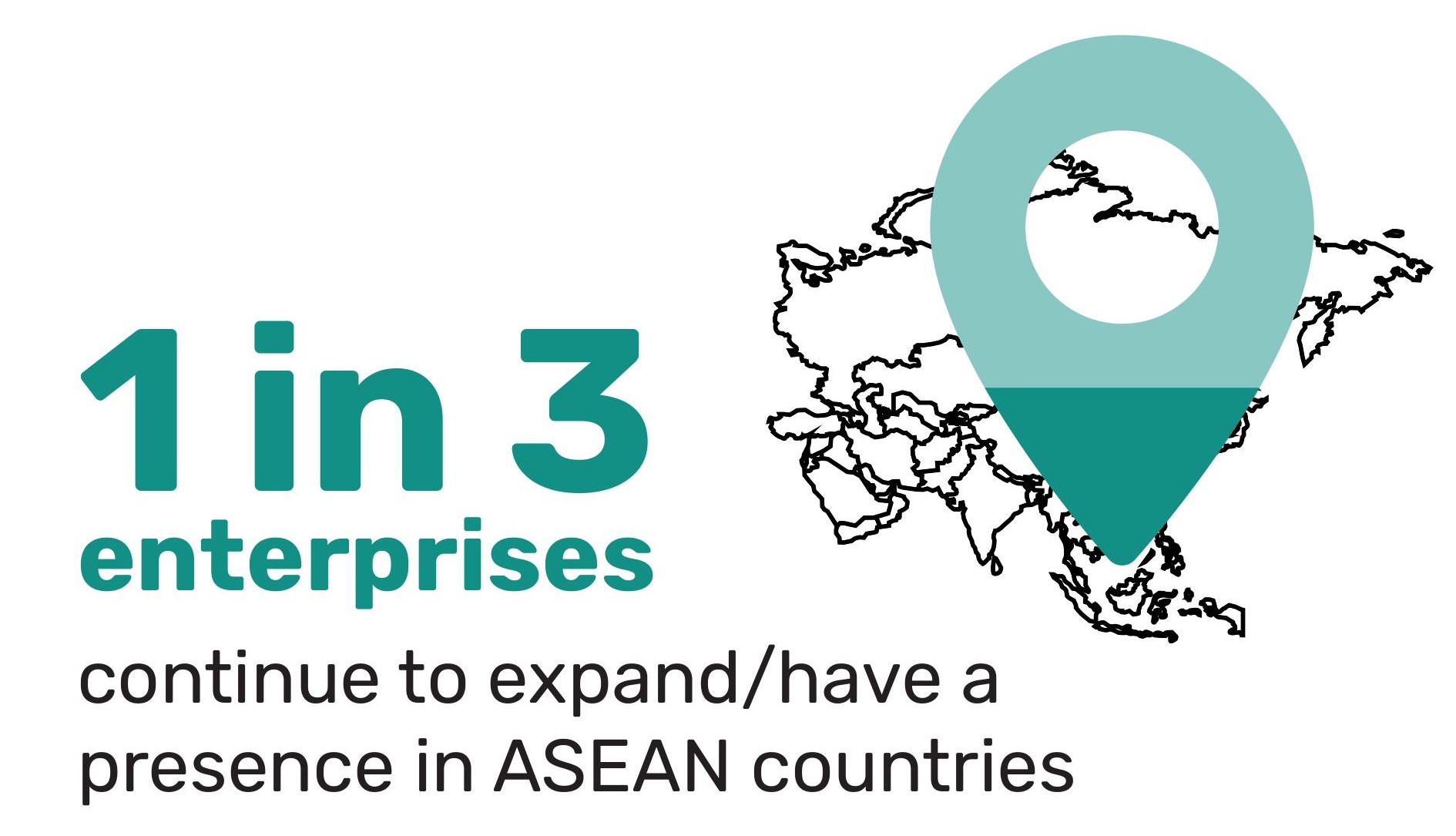
a. Regional Expansion
b. IP related challenges in regional expansion
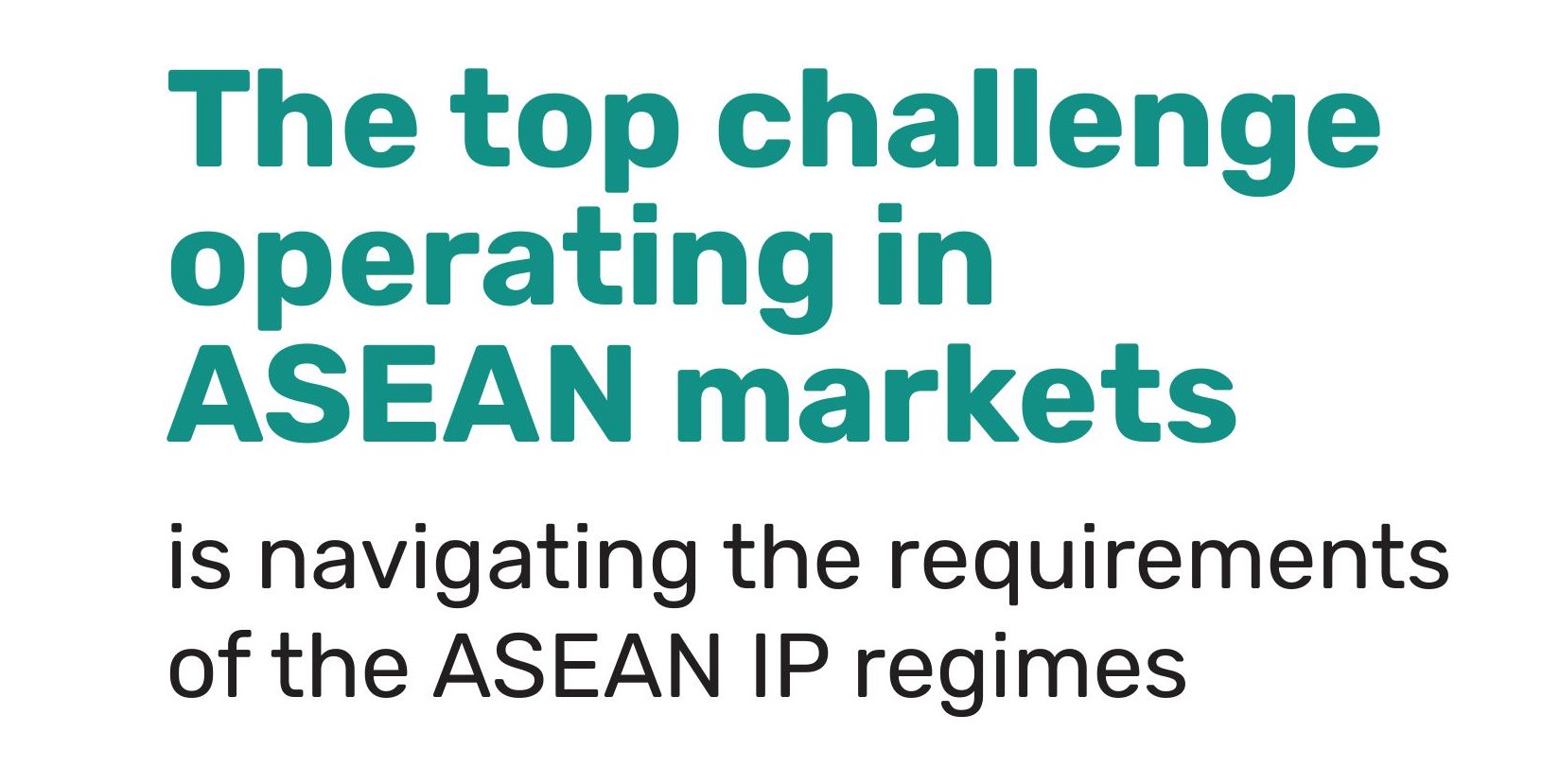
Nearly half of enterprises cite understanding and complying with varying IP requirements across ASEAN markets as their main challenge when expanding regionally.
Looking to expand into ASEAN?
Access the useful resources below:
Acceleration programmes (opens in new tab). Speed up your global IP protection process through our international and regional acceleration programmes.
ASEAN IP Portal (opens in new tab): Access this one-stop platform for comprehensive ASEAN IP services and information.
2. Singapore as an IP Dispute Resolution (IPDR) Hub
a. Singapore as a designated seat of arbitration
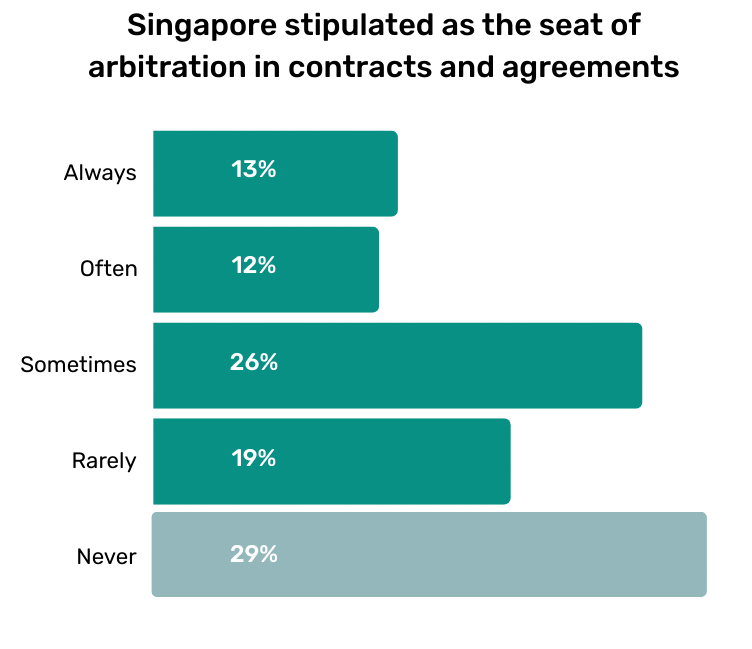
Over 70% of enterprises have stipulated Singapore as the seat of arbitration in IP or technology-related contracts.
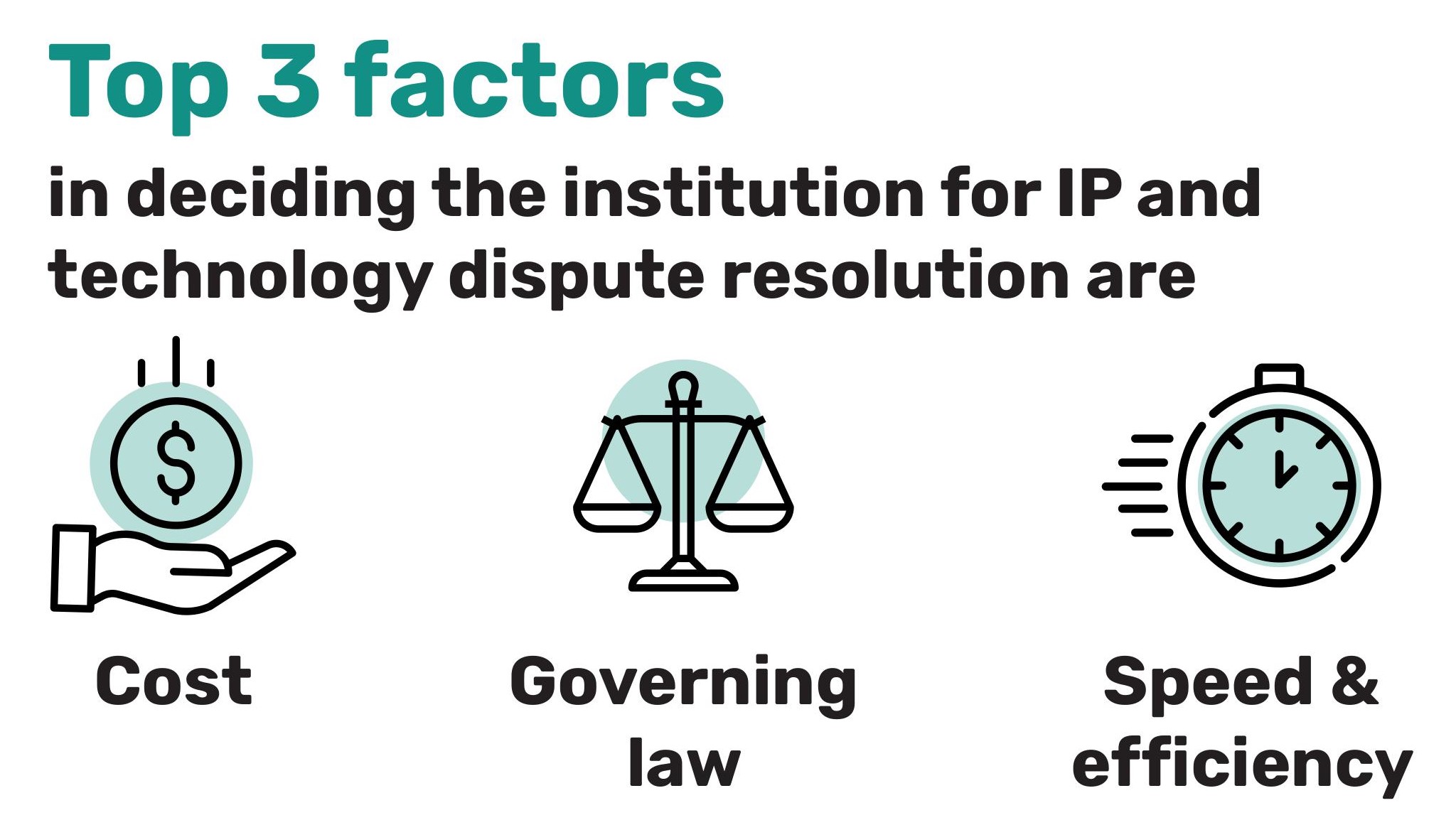
b. Factors influencing the choice of IP/technology dispute resolution institution
Cost (50%) emerges as the leading consideration, followed closely by governing law (48%), and speed and efficiency (42%) when enterprises select institutions for IP dispute resolution.
Access funding support for mediation of IP disputes through these programmes:
Revised Enhanced Mediation Promotion Scheme (REMPS) (opens in new tab). Under REMPS, parties in a mediation case can receive reimbursement of mediation costs, up to SGD 8,000 (only Singapore IP rights) / SGD 12,000 (Singapore and foreign IP rights).
WIPO-ASEAN Mediation Programme (AMP+) (opens in new tab). AMP+ provides funding by WIPO of up to SGD 5,000 per mediation case, with an additional SGD 2,000 available from IPOS when a Singapore-based mediator is appointed, for a maximum total of SGD 7,000.
Jobs and Skills
1. Employers value IP competencies
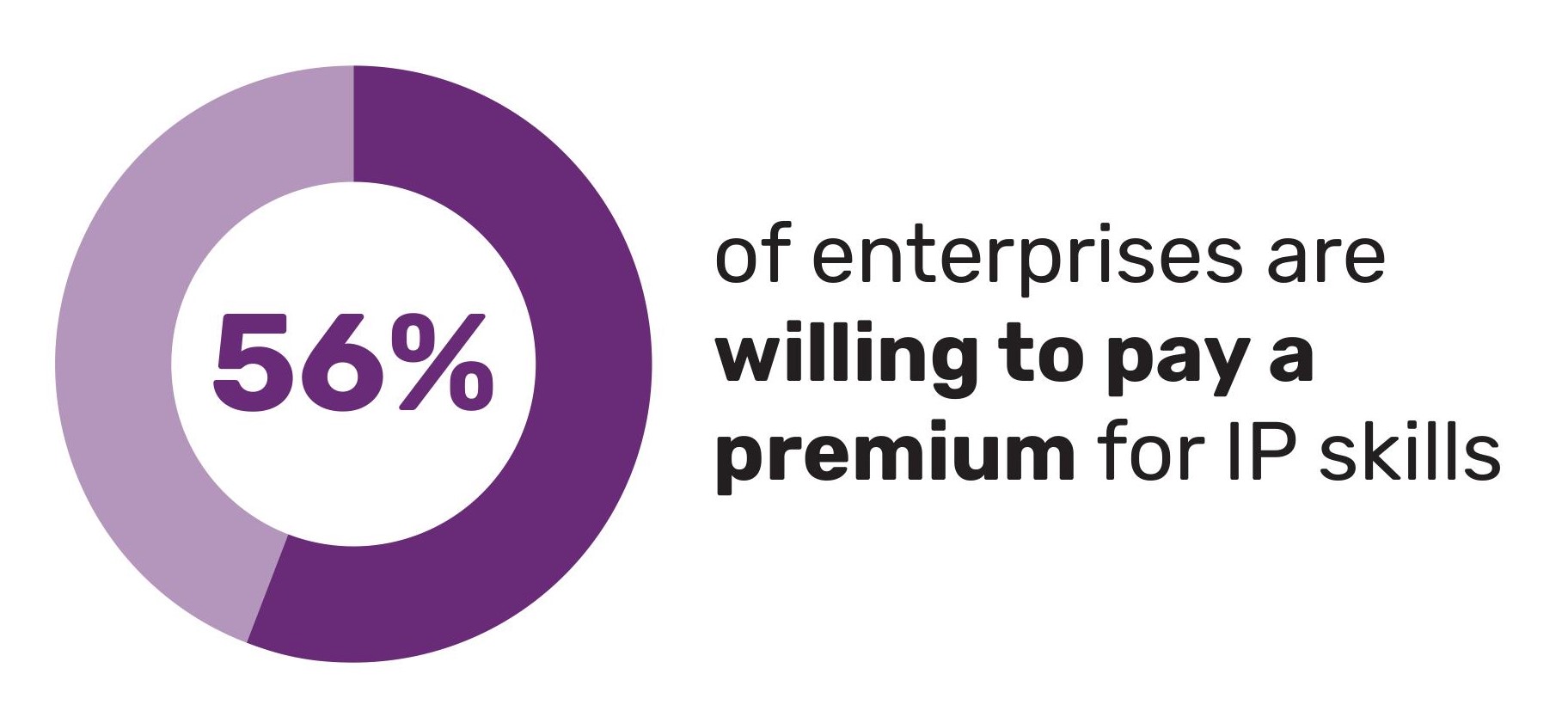
a. Competitive value of IP skills

b. IP skills across roles
Marketing & Sales (62%), Research & Development (56%), and Customer Service (38%) are the top three roles that benefit most from IP skills.

Did you know
IP skills can give you a competitive edge and salary premium? Develop your IP skills now:
IP Academy (opens in new tab). Develop your IA/IP capabilities with Singapore’s only dedicated centre for IP education and training.
Skills Framework for IP (opens in new tab). Find out more about making IP your vocation of choice, and build on your skills towards a rewarding career path.
Guides, infopacks and factsheets (opens in new tab). Equip yourself with IP knowledge, tips from experts, and useful insights from case studies on various types of IA/IP.
1Following the Organisation for Economic Co-operation and Development (OECD) Oslo Manual (opens in new tab) definition, innovation activities refer to the development or implementation of new or improved products or processes that have been introduced to the market or brought into operational use.