I-TIDE 2026 — AI and Cross-Border Tech Disputes
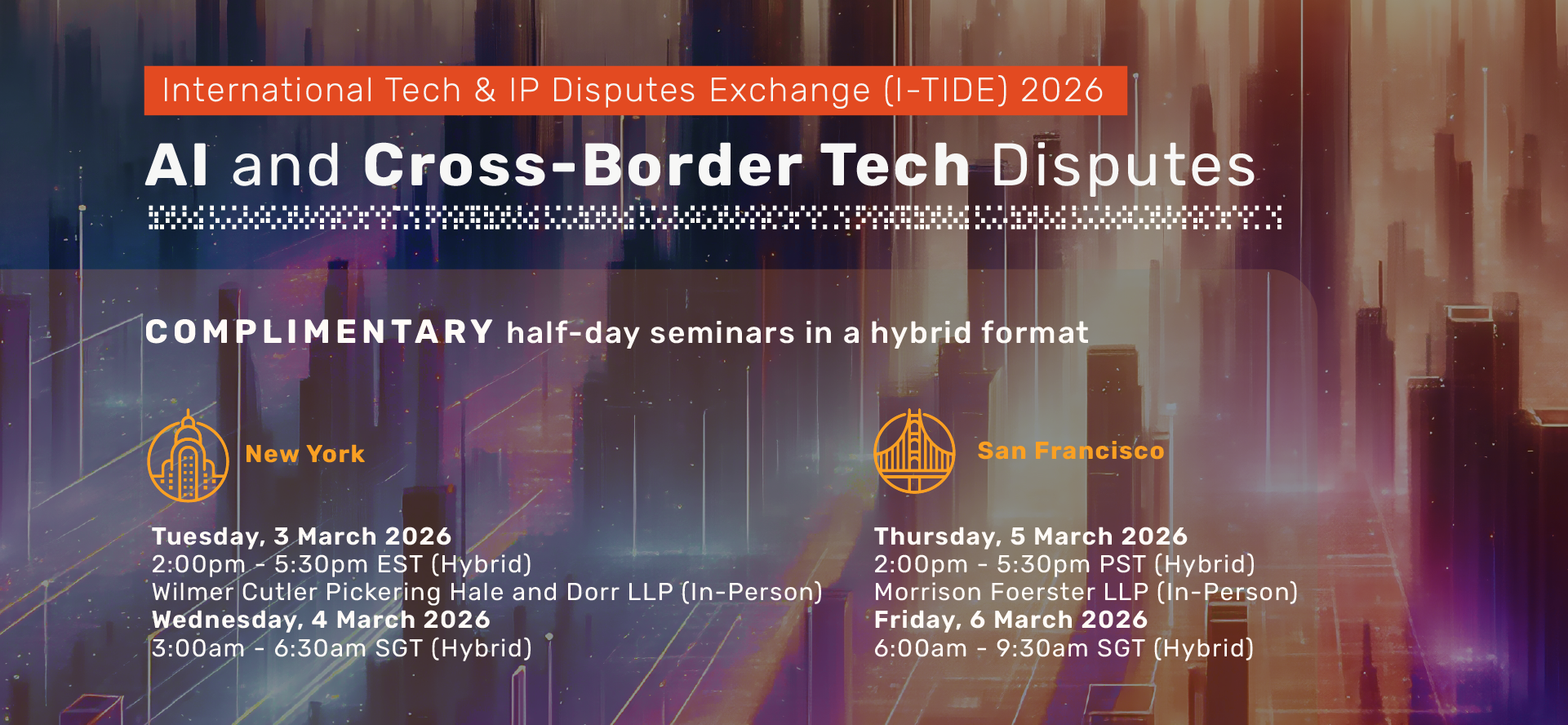
March 3 and 5, 2026
Last updated 19 March 2026

Register now
>900
Registrants
>70
Countries
>25
Speakers
>20
Partners
Join us for complimentary half-day seminars on AI and Cross-Border Tech Disputes under the International Tech & IP Disputes Exchange (I-TIDE) series. These seminars are jointly presented by the Intellectual Property Office of Singapore, Penn State Dickinson Law and the World Intellectual Property Organization Arbitration and Mediation Center.
Register to join both seminars in person or online and gain access to post-event recordings. For enquiries, please email ipos_hmd@ipos.gov.sg with "I-TIDE" in the subject header.
Tuesday, March 3, 2026, 2:00 p.m. – 5:30 p.m. EST
[Hybrid] WilmerHale, 7 World Trade Center, 250 Greenwich Street, New York, NY 10007 USA
Thursday, March 5, 2026, 2.00 p.m. – 5.30 p.m. PST
[Hybrid] Morrison Foerster, 425 Market Street, San Francisco, CA 94105 USA
Program
The rapid integration of artificial intelligence (AI) into our daily lives is happening at an unprecedented pace, often without us even realizing it. This swift adoption brings significant legal challenges in areas like copyright infringement, patent eligibility, and trade secret protection.
As legal professionals, courts, and lawmakers around the world tackle these cutting-edge issues, this event invites us to consider international perspectives. What lessons can we learn from other jurisdictions and those leading the way in resolving these cases through various modes of dispute resolution?
Tuesday, March 3, 2026, 2:00 p.m. – 5:30 p.m. EST in New York
Program details
Time (Find your local time) | Program |
|---|---|
2:00 p.m. – 2:05 p.m. | Welcome
|
2:05 p.m. – 2:10 p.m. | Introductory remarks
|
2:10 p.m. – 2:15 p.m. | Introduction of keynote speaker
|
2:15 p.m. – 2:25 p.m. | Keynote
|
2:25 p.m. – 3:40 p.m. | Brave New World: International Legal Developments Relating to Artificial Intelligence (New York Edition) How can legal systems adapt to the realities of AI while balancing innovation, protection, and accountability? In this Panel, speakers will examine how rapid developments in artificial intelligence are challenging the foundations of intellectual property law across patents and copyright. Topics discussed will include:
Moderator:
Panelists:
|
3:40 p.m. – 4:10 p.m. | Networking tea break |
4:10 p.m. – 5:25 p.m. | International Commercial Conflicts Involving AI: Navigating Procedural Intricacies (New York Edition) How can technology disputes be resolved efficiently, fairly, and across borders? And what part can procedural innovation and institutional adaptability play in the process? The focus of this Panel will be on how disputes arising from artificial intelligence and intellectual property are best resolved in a global, digital environment. Topics discussed will include:
Moderator:
Panelists:
|
5:25 p.m. – 5:30 p.m. | Closing remarks
|
Thursday, March 5, 2026, 2.00 p.m. – 5.30 p.m. PST in San Francisco
Program details
Time (Find your local time) | Program |
|---|---|
2:00 p.m. – 2:05 p.m. | Welcome
|
2:05 p.m. – 2:10 p.m. | Introductory remarks
|
2:10 p.m. – 2:15 p.m. | Introduction of keynote speaker
|
2:15 p.m. – 2:25 p.m. | Keynote
|
2:25 p.m. – 3:40 p.m. | Brave New World: International Legal Developments Relating to Artificial Intelligence (San Francisco Edition) In an era defined by rapid technological change, how do we ensure that intellectual property frameworks remain fit for purpose? This Panel will explore how artificial intelligence is reshaping intellectual property law and related governance challenges. Topics discussed will include:
Moderator:
Panelists:
|
3:40 p.m. – 4:10 p.m. | Networking tea break |
4:10 p.m. – 5:25 p.m. | International Commercial Conflicts Involving AI: Navigating Procedural Intricacies (San Francisco Edition) Is an adaptable, internationally coordinated mechanism the answer to managing the procedural challenges of AI and technology disputes across jurisdictions? This panel will address the complexities of resolving technology and intellectual property disputes in a global context, with particular emphasis on the challenges posed by artificial intelligence. Topics discussed will include:
Moderator:
Panelists:
|
5:25 p.m. – 5:30 p.m. | Closing remarks
|
CLE credit
During the event, participants will have the opportunity to contribute questions in person or online. This program is being planned with the intention to offer CLE credit to attendees who join the live presentation.
CLE credit is pending approval.
These seminars in the USA do not qualify for Public CPD Points in Singapore, but it may be possible to obtain Private CPD Points for attending the seminars as non-accredited CPD activities.
Keynotes

Speakers
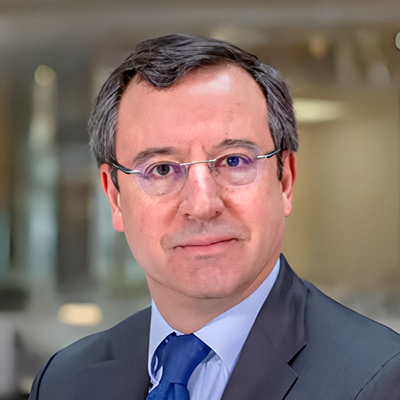
Ignacio de Castro
Director, WIPO Arbitration and Mediation Center
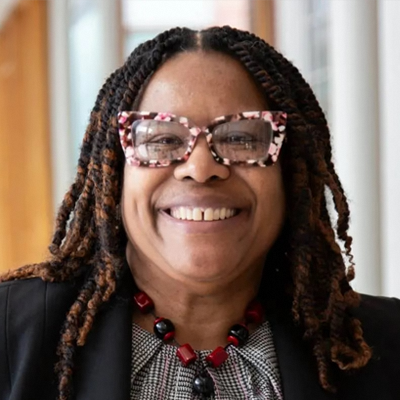
Danielle Conway
Dean and Donald J. Farage Professor of Law, Penn State Dickinson Law
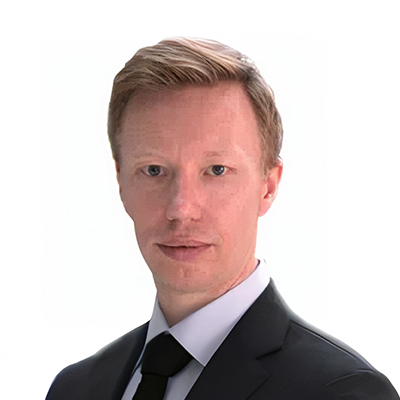
Mark Fisher
Executive Director, Asian Business Law Institute, Singapore Academy of Law (SAL)

Jordan Gimbel
Associate General Counsel, Microsoft
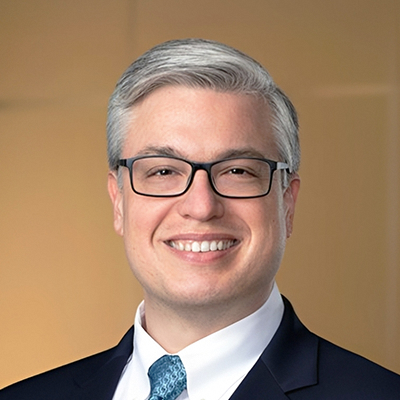
Joseph Gratz
Partner, Morrison Foerster
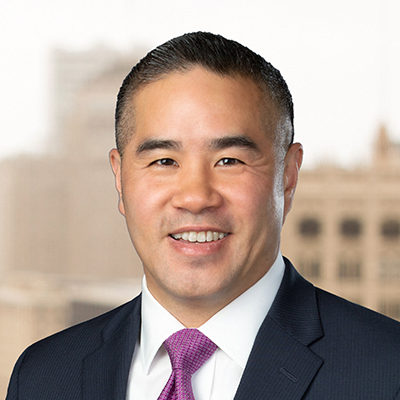
Richard Hung
Global Co-Chair, Litigation Department, Morrison Foerster
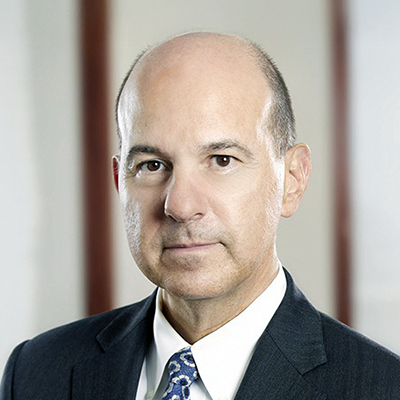
David Kappos
Partner, Cravath, Swaine & Moore

Rachael Kent
Partner, Vice Chair, International Arbitration Practice Group, WilmerHale
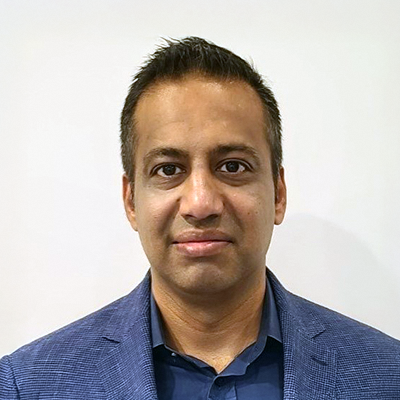
Shankar Krithivasan
Patent Counsel, Senior, Qualcomm
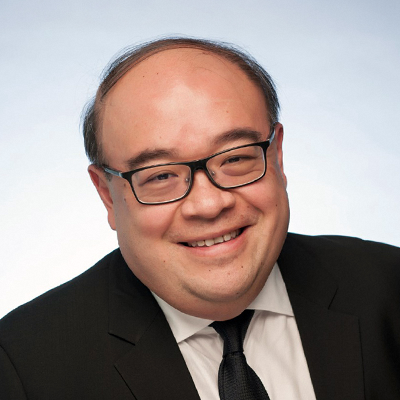
Dr Stanley Lai, SC
Partner, Allen & Gledhill
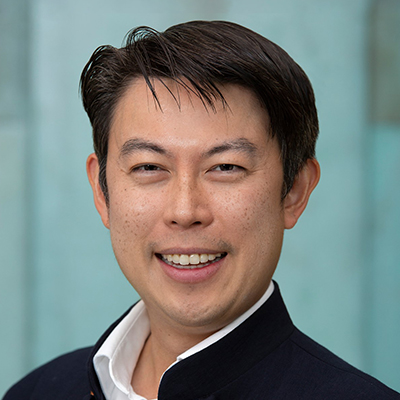
Daryl Lim
H. Laddie Montague Jr. Chair in Law, Penn State Dickinson Law
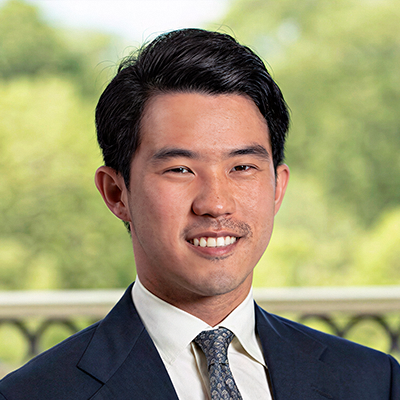
Jonathan Lim
Partner, WilmerHale

Gideon Myles
Associate General Counsel, Patents and Trademarks, OpenAI
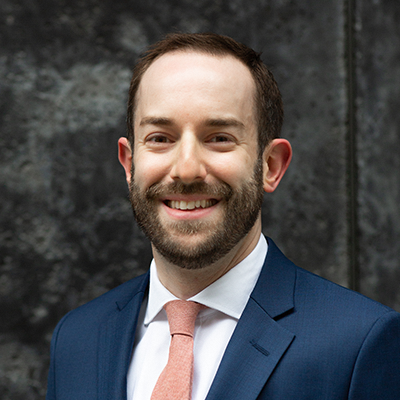
Jacob Noti-Victor
Professor of Law, Benjamin N. Cardozo School of Law
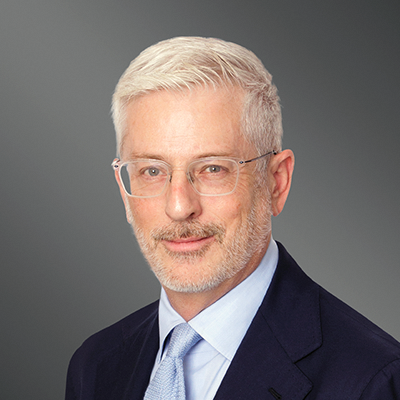
Thomas Pease
Shareholder, Greenberg Traurig
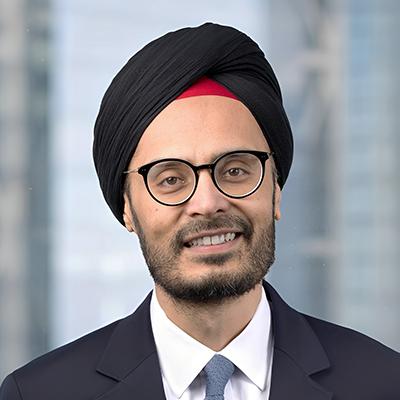
Anjan Sahni
Managing Partner, WilmerHale
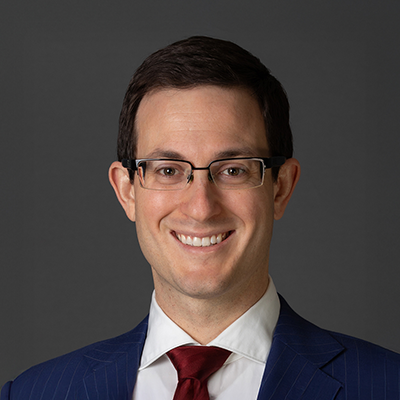
Joshua Simmons
Partner, Kirkland & Ellis

Jon Small
Senior Counsel & IP Lead, Google DeepMind
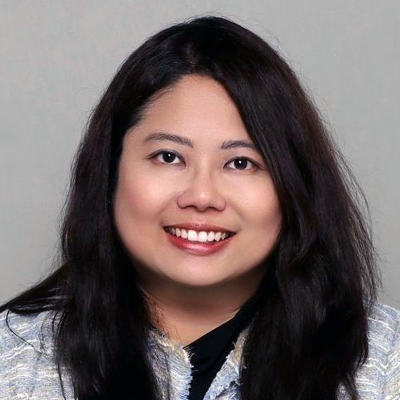
Crystal Tan
Divisional Registrar, Singapore International Commercial Court
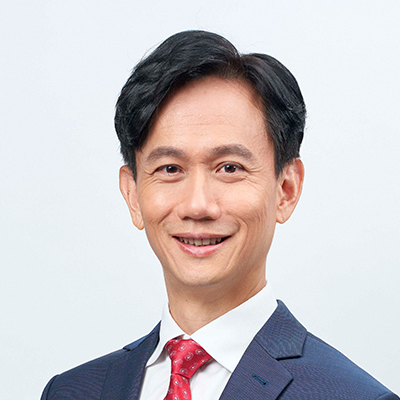
Tan Kong Hwee
Chief Executive, Intellectual Property Office of Singapore
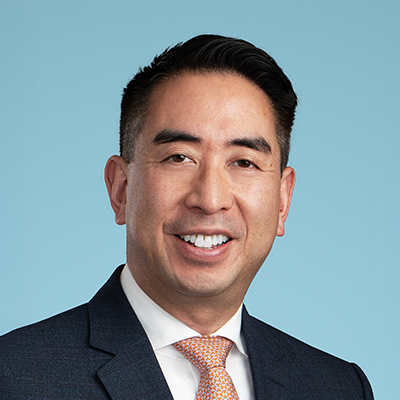
David Tsai
Partner, Pillsbury
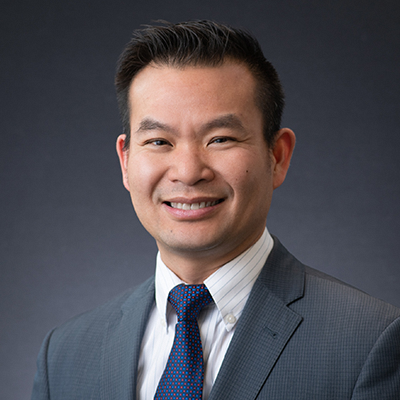
Ethan Ung
Principal, Updike, Kelly & Spellacy, P.C.

Adriana Uson
Director & Head (Americas), Singapore International Arbitration Centre
![Profile photo of Sandy Widjaja [Senior Legal Counsel, Intellectual Property Office of Singapore]](https://isomer-user-content.by.gov.sg/61/01d65625-24e0-495f-8cc7-9399c894a0e2/Profile Photo 400px_Sandy Widjaja.png)
Sandy Widjaja
Senior Legal Counsel, Intellectual Property Office of Singapore
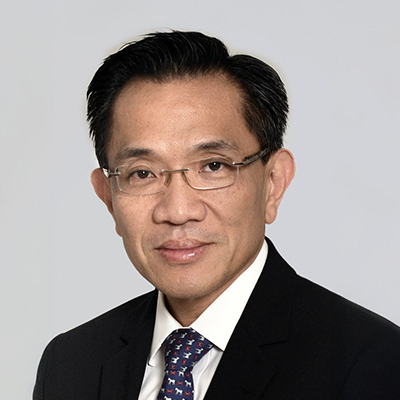
Tony Yeo
Managing Director, Intellectual Property, Drew & Napier
Speaker quotes
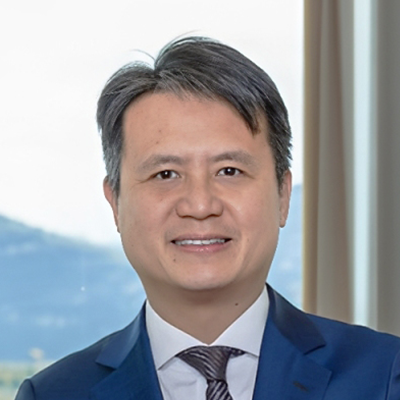
Across jurisdictions, we are seeing how rapid developments in AI can outpace traditional legal processes. One promising response to this is the strategic use of mediation and arbitration, which offer cross-border flexibility, confidentiality, and the appropriate technical expertise to resolve such disputes. As AI-related disputes continue to grow globally in scale and complexity, these advantages are becoming increasingly important.— Daren Tang, Director General, World Intellectual Property Organization (WIPO)
A culture of close and candid cross-border dialogue on technology and dispute resolution is essential to fostering innovation and trust in a rapidly evolving global economy. These conversations help bridge perspectives, shape policy, and ensure that legal frameworks keep pace with technological change.— Daryl Lim, H. Laddie Montague Jr. Chair in Law, Penn State Dickinson Law
Open discussions with stakeholders about A.I., technology, and intellectual property disputes are essential. Through continuous conversations, we can build better systems that support innovation while protecting rights, and ultimately benefitting more people and businesses. Singapore offers a neutral, efficient, and trusted place for innovators and companies to resolve complicated international technology disputes.— Tan Kong Hwee, Chief Executive, Intellectual Property Office of Singapore
More speaker quotes
"Across jurisdictions, we are seeing how rapid developments in AI can outpace traditional legal processes. One promising response to this is the strategic use of mediation and arbitration, which offer cross-border flexibility, confidentiality, and the appropriate technical expertise to resolve such disputes. As AI-related disputes continue to grow globally in scale and complexity, these advantages are becoming increasingly important."
— Ignacio de Castro, Director, WIPO Arbitration and Mediation Center
"Generative AI is reshaping the legal landscape, but not outpacing it. Our legal system has the elasticity to accommodate innovation, even as AI becomes an indispensable ally to practitioners — enhancing precision, productivity, and access to justice."
— Mark Fisher, Executive Director, Asian Business Law Institute, Singapore Academy of Law (SAL)
"A judicial consensus is developing that training a general-purpose AI model is highly transformative, a factor favoring the finding of fair use. But other issues are the subject of sharp disagreements between courts, and 2026 is unlikely to bring final answers to copyright questions on AI training. At the same time, new cases are beginning to raise complex questions about who is responsible for the allegedly infringing nature of AI outputs, which courts are only beginning to address."
— Joseph Gratz, Partner, Morrison Foerster
"AI intellectual property disputes continue to challenge practitioners as Courts consolidate the application of the doctrine of fair use, training copies, deepfakes, and patentability amidst new AI governance regimes. Concurrently, cross-border commercial adjudications are transforming with innovative dispute resolution mechanisms. The I-TIDE 2026 seminars will facilitate a full and frank exchange on these different areas, and I look forward to contributing to the discussions."
— Dr Stanley Lai, SC, Partner, Allen & Gledhill
"International disputes involving AI are becoming among the most complex and challenging matters for parties and adjudication bodies to handle, with fast-changing laws varying widely between jurisdictions, sparce precedents, and highly divergent interests. All of these factors make international AI disputes ideal candidates for alternative dispute resolution especially through arbitration and mediation."
— David Kappos, Partner, Cravath, Swaine & Moore
"International arbitration has long been the preferred mechanism for resolving cross-border commercial disputes because it can provide a neutral forum, internationally-enforceable awards, procedural flexibility, specialist decision makers, and confidentiality. These advantages will be highly attractive to parties facing cross-border IP and other commercial disputes related to AI."
— Rachael Kent, Partner and Vice Chair, International Arbitration Practice Group, WilmerHale
"As intellectual property and technology disputes grow in complexity, scale and reach, the question is no longer whether conflicts will arise, but where and how they should be resolved. This panel will examine the legal fault lines shaping modern IP and tech disputes and highlights how Singapore has emerged as a leading IP and technology dispute resolution hub, offering commercially attuned and effective solutions for conflicts at the intersection of law, technology and international commerce, including through the lens of the Singapore International Commercial Court."
— Crystal Tan, Divisional Registrar, Singapore International Commercial Court
"As technology evolves, so do the disputes that follow. AI and digital innovation are reshaping global commerce, and our systems for resolving disputes must evolve to meet that complexity. The Singapore International Arbitration Centre (SIAC) is already handling complex AI and technology disputes, supported by updated and robust rules that equip parties with practical tools to manage increasingly sophisticated cases more efficiently and cost effectively. These capabilities sit within Singapore’s broader emergence as a leading hub for IP and tech dispute resolution, built on a strong legal framework and modern court and arbitration infrastructure."
— Adriana Uson, Director & Head (Americas), Singapore International Arbitration Centre
"The training of AI models has raised many novel issues in copyright law. The interpretation and application of the fair use doctrine will be critical to ensuring an appropriate balance is struck between the continued advancement of AI models, and the protection of copyright owners and creators."
— Tony Yeo, Managing Director, Intellectual Property, Drew & Napier
Venue sponsors
.png)
_2024 (1).jpg)
Supporting organizations